










Sönmez Baklava Willkommen.
Registrieren oder Einloggen

Ihr Warenkorb ist leer.

Warenkorb
0,00
0

Ihr Warenkorb ist leer.

Warenkorb
0,00
0

he History of Baklava: From Ancient Times to Modern Era

Sönmez Baklava 03 Ocak 5 Absätze

Ancient Origins

It is difficult to pinpoint the exact origin of baklava since sweet pasta was common in many ancient cultures. Historians believe that the earliest forms of baklava originated in ancient Mesopotamia, where simple layers of thin bread were combined with nuts and honey. These early sweets were often served during festivals and were seen as a symbol of wealth and hospitality.

Development in the Byzantine Empire

Baklava continued to evolve in the Byzantine Empire during the 4th century AD. The Byzantines added more layers to the dessert and refined the recipe. Baklava was especially popular in Constantinople (modern-day Istanbul), a crossroads between the East and the West. The finest ingredients from different regions of the empire were used to make this delicious dessert.

The Ottoman Empire and the Perfection of the Recipe

However, the true perfection of baklava was achieved during the Ottoman Empire, which lasted from 1299 to 1922. The Ottomans made baklava an integral part of their cuisine and perfected it. The Topkapi Palace in Istanbul became famous for its meticulously prepared varieties of baklava made for the sultan and palace members. During Ramadan, baklava became a highly symbolic holiday pastry, often exchanged as gifts.

Global Distribution

With the expansion of the Ottoman Empire, baklava spread to many countries in the Middle East, North Africa, and the Balkans. Each region developed its own version of the dessert by combining local ingredients and flavors. For example, in Greece, baklava is typically made with almonds and walnuts, while in Iran, rose water and cardamom are added.

Baklava in the Modern World

In the 20th century, baklava spread to Western countries, particularly through immigrants from Turkey, Greece, and the Middle East. It became popular in Germany, especially through the Turkish community, who brought traditional recipes and baking techniques with them. Today, baklava can be easily found in many European countries and is beloved by gourmets worldwide. Sönmez Baklava in Germany represents a perfect blend of tradition and innovation. Its founders, Mustafa and Adil Sönmez, rely on the finest pistachios from Gaziantep and traditional recipes to offer the unique taste experience of original Gaziantep baklava. Baklava has made an impressive journey, from the ancient cultures of Mesopotamia to the kitchens of the Byzantine and Ottoman Empires, to reach its current worldwide popularity. This sweet treat not only appeals to the taste buds but also reflects a piece of history that symbolizes the cultural connections and culinary creativity of different peoples. Whether a holiday sweet or an everyday indulgence, baklava remains a timeless classic that continues to capture the hearts of food lovers around the world.

he History of Baklava: From Ancient Times to Modern Era

Sönmez Baklava 03 Ocak 5 Absätze

Ancient Origins

It is difficult to pinpoint the exact origin of baklava since sweet pasta was common in many ancient cultures. Historians believe that the earliest forms of baklava originated in ancient Mesopotamia, where simple layers of thin bread were combined with nuts and honey. These early sweets were often served during festivals and were seen as a symbol of wealth and hospitality.

Development in the Byzantine Empire

Baklava continued to evolve in the Byzantine Empire during the 4th century AD. The Byzantines added more layers to the dessert and refined the recipe. Baklava was especially popular in Constantinople (modern-day Istanbul), a crossroads between the East and the West. The finest ingredients from different regions of the empire were used to make this delicious dessert.

The Ottoman Empire and the Perfection of the Recipe

However, the true perfection of baklava was achieved during the Ottoman Empire, which lasted from 1299 to 1922. The Ottomans made baklava an integral part of their cuisine and perfected it. The Topkapi Palace in Istanbul became famous for its meticulously prepared varieties of baklava made for the sultan and palace members. During Ramadan, baklava became a highly symbolic holiday pastry, often exchanged as gifts.

Global Distribution

With the expansion of the Ottoman Empire, baklava spread to many countries in the Middle East, North Africa, and the Balkans. Each region developed its own version of the dessert by combining local ingredients and flavors. For example, in Greece, baklava is typically made with almonds and walnuts, while in Iran, rose water and cardamom are added.

Baklava in the Modern World

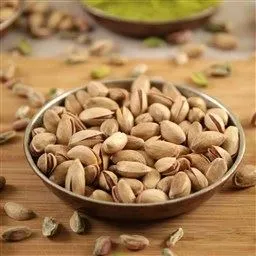
In the 20th century, baklava spread to Western countries, particularly through immigrants from Turkey, Greece, and the Middle East. It became popular in Germany, especially through the Turkish community, who brought traditional recipes and baking techniques with them. Today, baklava can be easily found in many European countries and is beloved by gourmets worldwide. Sönmez Baklava in Germany represents a perfect blend of tradition and innovation. Its founders, Mustafa and Adil Sönmez, rely on the finest pistachios from Gaziantep and traditional recipes to offer the unique taste experience of original Gaziantep baklava. Baklava has made an impressive journey, from the ancient cultures of Mesopotamia to the kitchens of the Byzantine and Ottoman Empires, to reach its current worldwide popularity. This sweet treat not only appeals to the taste buds but also reflects a piece of history that symbolizes the cultural connections and culinary creativity of different peoples. Whether a holiday sweet or an everyday indulgence, baklava remains a timeless classic that continues to capture the hearts of food lovers around the world.
}